





















Five Kegel Myths Wasting Your Pelvic-Floor Effort

Why kegels are misunderstood in the first place
Kegels are the most-recommended and least-correctly-executed pelvic-floor exercise in the wellness canon. Surveys of women who report doing them regularly find that roughly 4 in 10 are using the wrong muscle entirely — clenching glutes, abs, or thighs while the pelvic floor stays passive. A separate share are doing the right movement but at the wrong dose. Both groups conclude "kegels don't work" and quit.
The fix isn't more effort. It's clearing five myths that distort the routine before it has a chance to do anything. Here they are.
Myth 1: More reps are better
Pelvic-floor muscles follow the same rule as biceps: progressive overload with rest beats high-volume daily grinding. Research on incontinence rehab finds that 30–45 quality contractions a day, split across 2–3 sets, outperforms 100+ rushed ones. The 100-a-day routine is the kegel equivalent of doing 200 push-ups with bad form — you'll get tired without getting stronger.
For most adults the durable protocol looks like: 3 sets of 10 contractions, 5 seconds hold, 5 seconds rest, done 3–4 times a week. Not every day, and not until you feel a deep ache.
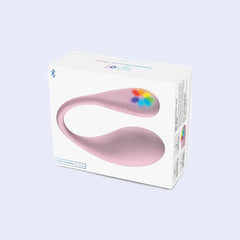
Kegel Exercisers & Pelvic Floor Trainers: Strengthen for Control and Pleasure Weighted balls, vibrating trainers, and progression sets — the gear that turns kegel reps from guesswork into something you can actually track. Shop category →Myth 2: Kegels are a women's exercise
The original 1948 research by Dr. Arnold Kegel was conducted on postpartum women, which is why the cultural framing stuck — but the pelvic floor exists in every body, and men benefit measurably. In studies on premature ejaculation, structured pelvic-floor training improved time-to-climax in roughly 60% of participants within 12 weeks. It also supports erection quality by improving the muscle compression that keeps blood in.
The male version is the same movement: contract the muscles you'd use to stop urine mid-stream, hold for 5 seconds, release for 5. Same rep scheme, same myth — that doing 200 a day will help faster. It won't.
 Loveline Pelvifit Berry Kegel Kit
A multi-weight kit (think dumbbell logic, but for the pelvic floor) — better than guessing whether you're squeezing the right muscle.
View product →
Loveline Pelvifit Berry Kegel Kit
A multi-weight kit (think dumbbell logic, but for the pelvic floor) — better than guessing whether you're squeezing the right muscle.
View product →
Myth 3: A tight pelvic floor is always a strong pelvic floor
This is the most expensive myth in the bunch. A chronically tight (hypertonic) pelvic floor often presents with the same complaints as a weak one — pain during sex, leakage, urgency — but more reps make it worse, not better. Pelvic-floor physical therapists estimate that 20–30% of people who self-diagnose as "weak" are actually too tight and need release work (deep breathing, hip openers, sometimes manual therapy) before any strengthening makes sense.
The screening question: does the area feel sore, achy, or "clenched" at rest? If yes, kegels may be aggravating you. If you do them for six weeks and symptoms worsen, that's the signal to see a pelvic-floor PT before adding more reps.
Myth 4: You should do kegels at every red light
This advice is everywhere because it sounds practical. The problem is doing kegels in distracted, half-attentive bursts trains the muscle to fire at low quality. The pelvic floor is a slow-twitch muscle — it benefits more from focused, deliberate reps than from background grinding.
The durable habit is short and deliberate: one or two 5-minute sessions a day, eyes closed, lying down or sitting, focused on which muscle is moving. If you only have time for "kegels at the stoplight," you have time for one good evening set on the couch.
Myth 5: You'll feel results in a week
Most people start noticing the easy wins (better bladder control, slightly more awareness during sex) at week 4–6. The bigger benefits (orgasm intensity changes, posture and core support, premature-ejaculation gains in men) usually take 8–12 weeks of consistent, low-volume training. Quitting at week 2 because nothing happened is the most common reason people decide kegels "don't work" — they do work, just on a longer clock than TikTok suggests.
Pelvic-floor work is closer to a yoga practice than a fitness sprint. The reps are small. The window for results is months, not days. Patience and tracking — even with a basic low-effort habit tracker in your notes app — beats intensity.
 Blush Delice Chéri Kegel Trainer
An entry-level kegel trainer under $30 — body-safe silicone, single-weight, the no-overthinking starter.
View product →
Blush Delice Chéri Kegel Trainer
An entry-level kegel trainer under $30 — body-safe silicone, single-weight, the no-overthinking starter.
View product →
FAQ: Kegel questions, answered
How do I know I'm squeezing the right muscle?
The classic test: at the toilet, briefly stop the flow of urine mid-stream once (not as a regular practice — just one diagnostic time). The muscle you used is the pelvic floor. Glutes shouldn't squeeze. Thighs shouldn't tense. Stomach should stay soft.
Do I need a weighted trainer or are bare-handed kegels enough?
Bare-handed kegels are enough for most beginners. Weighted trainers help with two things: feedback (you can tell whether you're actually engaging the muscle) and progressive overload (you can add resistance as you get stronger). They're optional, not required.
Can I do kegels while pregnant?
Generally yes — they're often recommended during pregnancy to prepare for delivery and recovery. But always confirm with your OB-GYN or midwife first, especially if you have a history of preterm labor or pelvic-floor conditions.
Are vibrating kegel trainers actually different from plain weighted balls?
Yes. Vibrating trainers add involuntary muscle response (your floor contracts reflexively against the buzz), which some people find easier as a starting cue. Plain weighted balls require you to do all the work consciously. Beginners often progress faster with vibration; long-term, both work.
What's the men's version of a kegel trainer?
For men there are biofeedback devices and pelvic-floor probes designed specifically for the male anatomy, but bare-handed kegels are the most accessible entry point. The technique (stop-the-urine-flow muscle, 5 seconds hold, 5 seconds rest) is the same.
The takeaway
Kegels work — but only when the myths get cleared. Fewer reps, better attention, both partners doing them, and the realistic expectation that "results" mean 8–12 weeks, not 8 days. If you're doing the routine and it feels worse, the answer might be smarter equipment or a pelvic-floor PT — not more sets.