

















Wand vs Bullet Vibrator — Which One Actually Fits a Beginner?
What's the actual difference between a wand and a bullet?
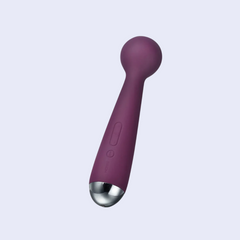
A wand is the long, T-shaped vibrator with a softball-sized head — designed for broad-area, deep "rumbly" vibration on or above the clitoris. A bullet is a slim, lipstick-to-cigar-shaped vibrator built for pinpoint stimulation. Both are external. Neither is for penetration (with a couple of exceptions noted later).
The split matters because beginners often buy whichever shape looks less intimidating, then bounce off the wrong one. Roughly 1 in 3 first-time vibrator returns are size-related, and the other big chunk is noise-related. Picking the right form factor up front saves the $40 and the disappointment.
Power, precision, and noise — the real trade-offs
Three specs separate the categories more than the price tag does:
- Power profile. Wands deliver low-frequency, deep "rumbly" vibration. Bullets deliver higher-frequency, "buzzy" vibration. Most users describe rumble as feeling like it goes deeper into the body; buzz as feeling more on the surface. Neither is better — they're different sensations.
- Precision. A bullet's small tip lands on a 1–2 cm area. A wand head covers an area roughly the size of a credit card. If you already know your most sensitive spot, precision wins. If you don't, broad coverage finds it for you.
- Noise. Modern mini-wands sit around 50–60 dB on lower settings — about as loud as a soft conversation. Bullets average 40–45 dB. Both are quiet enough for a shared apartment with a closed door, but the wand will be more noticeable through a wall.
Price, learning curve, and what you actually need first
A respectable bullet starts at $8 and tops out around $40. A respectable wand starts around $35 (mini-wand) and runs to $150+ for the iconic full-size models. The cost-of-experimentation favors bullets for first-time buyers: a $25 bullet that turns out not to be your shape is a $25 lesson. A $120 wand that doesn't suit you is harder to justify reselling.
The learning curve also favors bullets. A bullet has 1–3 buttons. A modern wand has 3–10 settings, often layered across two motors. First-timers report figuring out a bullet in under a minute and a wand in 5–10 minutes. Neither is hard, but if "I just want it to work" is your top priority, the bullet wins.
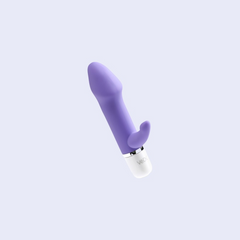
 Bang! Tapered Flexible Silicone Bullet Vibrator
A flexible silicone bullet at $27 — tapered tip for precision, ten patterns, USB-rechargeable, the textbook beginner bullet.
View product →
Bang! Tapered Flexible Silicone Bullet Vibrator
A flexible silicone bullet at $27 — tapered tip for precision, ten patterns, USB-rechargeable, the textbook beginner bullet.
View product →
Partner-friendliness
This is where the categories diverge sharply. A bullet is small enough to slip between two bodies during partnered sex without anyone reorganizing the position. It's also light enough to hold for 20 minutes without a wrist cramp. A wand is bulkier, usually requires a hand-off or a clear sight line to the body, and is more often used solo or in a "you watch / I demonstrate" partnered setup.
Couples who add a vibrator to partnered sex often start with a bullet for that geometric reason and graduate to a wand later for solo sessions. If your priority is "we want to add a toy to what we already do," start bullet. If your priority is "I want a powerful solo machine and I'll bring it into partnered sex sometimes," start wand. Our air-pulse vs traditional vibrator comparison covers the third category that often gets confused with both.
 FEMMEFUNN Ultra Wand Body Massager
A mid-power wand under $60 — quieter than the classic full-size, still hits with that deep rumbly motor wands are known for.
View product →
FEMMEFUNN Ultra Wand Body Massager
A mid-power wand under $60 — quieter than the classic full-size, still hits with that deep rumbly motor wands are known for.
View product →
The quick-pick chart
| If you want… | Pick |
|---|---|
| To spend under $30 | Bullet |
| Pinpoint clitoral stimulation | Bullet |
| To use it during partnered sex | Bullet |
| The deepest, "rumbliest" vibration | Wand |
| Broader coverage, less aim required | Wand |
| A toy that doubles as a back massager | Wand |
| Maximum discretion in a shared bedroom | Bullet |
| Travel-friendly | Bullet (or mini-wand) |
FAQ: Wand vs bullet questions, answered
Can I use a bullet for penetration?
Most bullets are external-only — flat base, slim shape, but no flared base for safe internal use. A handful of bullets are designed as insertable "egg" vibrators with retrieval cords; check the product description before assuming.
Are wands too strong for beginners?
Modern wands have 3–10 intensity settings, and the lowest is mild. Use the lowest setting through a layer of clothing or a thin towel for the first session — most "too strong" reviews are from people who jumped to setting 6.
Which one is quieter for an apartment?
Bullets average 40–45 dB; mini-wands 50–60 dB. Bullet wins for thin walls. A wand on the lowest setting under a comforter is often acceptable; on max it isn't.
Are wands always plug-in, like the iconic original?
No. Most modern wands and all mini-wands are USB-rechargeable. Plug-in wands still exist (consistent power, no battery anxiety) but the rechargeable mid-size is now the dominant category.
What's a good budget split if I want one of each eventually?
Buy the bullet first ($20–$30), use it for a month, then add a mini-wand ($40–$60) when you know what's missing from the bullet. Most buyers regret going premium-on-both up front before they know which shape they prefer.
The takeaway
Wand vs bullet isn't really a competition — they do different jobs. The 90-second decision tree: budget under $30 or partnered use, buy a bullet. Solo sessions, deep vibration, also-doubles-as-a-back-massager, buy a wand. Confused, just trying it out, want zero regret: bullet first, wand later. Most buyers end up owning both within a year.